
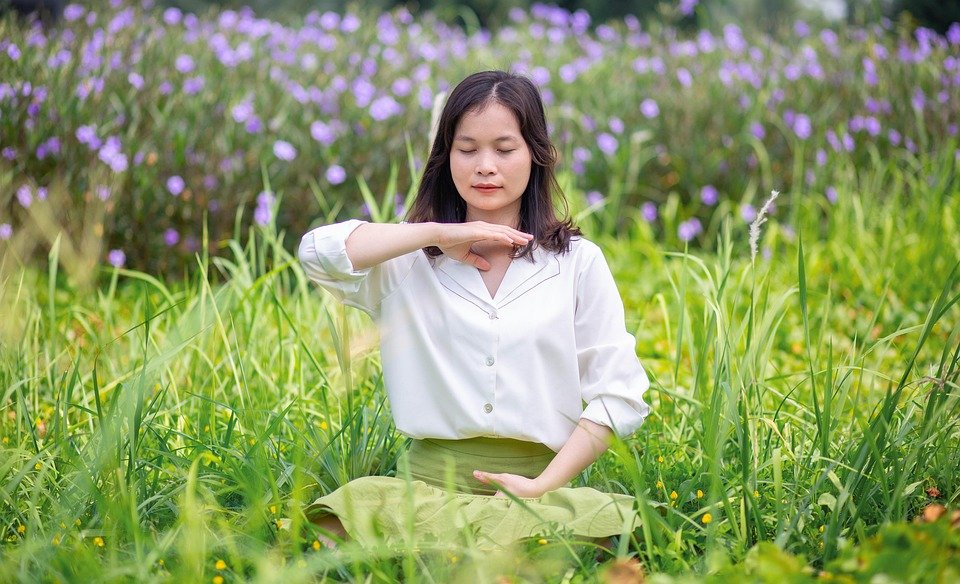
Mindfulness breathing, a vital component of yoga and meditation practices, serves as a bridge to inner tranquility and clarity. By centering our attention on the breath, we cultivate an awareness that anchors us in the present moment, fostering a profound sense of peace. In today’s fast-paced world, mindfulness breathing offers a sanctuary—a way to step back, reset, and reconnect with our inner selves.
The Science Behind Mindfulness Breathing
The practice of mindfulness breathing is deeply rooted in both ancient traditions and modern science. Research has shown that focused breathing can reduce stress, lower blood pressure, and enhance cognitive function. When we engage in mindfulness breathing, we activate the parasympathetic nervous system, which induces a state of calm and relaxation. This physiological response helps to mitigate the effects of stress-related hormones like cortisol, promoting overall well-being.
The Fundamentals of Mindfulness Breathing
Mindfulness breathing is accessible to everyone, regardless of experience level. It involves several key components:
Focus on the Breath
Begin by directing your attention to your breath. Notice the natural rhythm without attempting to alter it. Observe how the air feels as it enters and exits your nostrils or how your chest and abdomen move with each breath.
Non-Judgmental Awareness
Maintain a neutral stance towards any thoughts or distractions that arise. Acknowledge them without judgment and gently guide your focus back to your breath.
Consistency
Regular practice is crucial. Set aside a specific time each day for mindfulness breathing to develop and maintain the habit.
Techniques to Master Mindfulness Breathing
There are several techniques to enhance your mindfulness breathing practice:
Deep Breathing
Also known as diaphragmatic breathing, this technique involves inhaling deeply through the nose, allowing the diaphragm to fully expand, and exhaling slowly. This process maximizes oxygen intake and promotes relaxation.
Box Breathing
This method entails inhaling for a count of four, holding the breath for four counts, exhaling for four counts, and pausing for another four counts before repeating. Box breathing helps reset the breath and calm the mind.
Nadi Shodhana (Alternate Nostril Breathing)
A traditional yogic practice, alternate nostril breathing balances the left and right hemispheres of the brain, fostering mental clarity and emotional stability. To perform it, close one nostril with your thumb, inhale through the open nostril, switch nostrils, and exhale. Repeat the process on the opposite side.
Integrating Mindfulness Breathing into Daily Life
Incorporating mindfulness breathing into your routine doesn’t require a significant time commitment. Here are some ways to seamlessly integrate it:
Morning Ritual
Start your day with five to ten minutes of focused breathing to set a calm and intentional tone for the day.
Mindful Breaks
Throughout the day, take short breaks to practice mindfulness breathing. These breaks can help you recharge and refocus.
Evening Wind-Down
Use mindfulness breathing as part of your evening routine to decompress and prepare for restful sleep.
The Transformative Benefits of Mindfulness Breathing
The benefits of mindfulness breathing extend beyond immediate stress relief. Over time, practitioners may notice:
Enhanced Emotional Resilience
Regular practice cultivates an ability to remain centered and composed in the face of life’s challenges.
Improved Concentration and Clarity
By honing the ability to focus on the breath, practitioners can enhance their overall attention span and mental clarity.
Greater Self-Awareness
Mindfulness breathing encourages introspection, promoting a deeper understanding of one’s thoughts, emotions, and reactions.
Overcoming Common Challenges
While mindfulness breathing is simple, it can present challenges:
Restless Mind
It’s normal for the mind to wander. When this happens, gently redirect your attention back to the breath without self-criticism.
Physical Discomfort
If sitting for extended periods is uncomfortable, experiment with different postures or use props for support.
Lack of Time
Even a few minutes of mindfulness breathing can be beneficial. Start small and gradually increase the duration as it becomes a habit.
Conclusion: Unlocking Inner Peace
Mastering mindfulness breathing is a journey, not a destination. By committing to this practice, you unlock the door to inner peace, transforming the way you navigate life’s complexities. As you cultivate mindfulness breathing, you’ll find yourself more grounded, present, and resilient, equipped with the tools to face each day with calmness and clarity.
Embark on Your Mindfulness Breathing Journey Today
Whether you’re seeking stress relief, emotional balance, or heightened self-awareness, mindfulness breathing offers a pathway to achieving these goals. Begin your journey today, and experience the profound impact of this simple yet powerful practice. Embrace mindfulness breathing as a lifelong companion, guiding you towards a more peaceful and fulfilling existence.