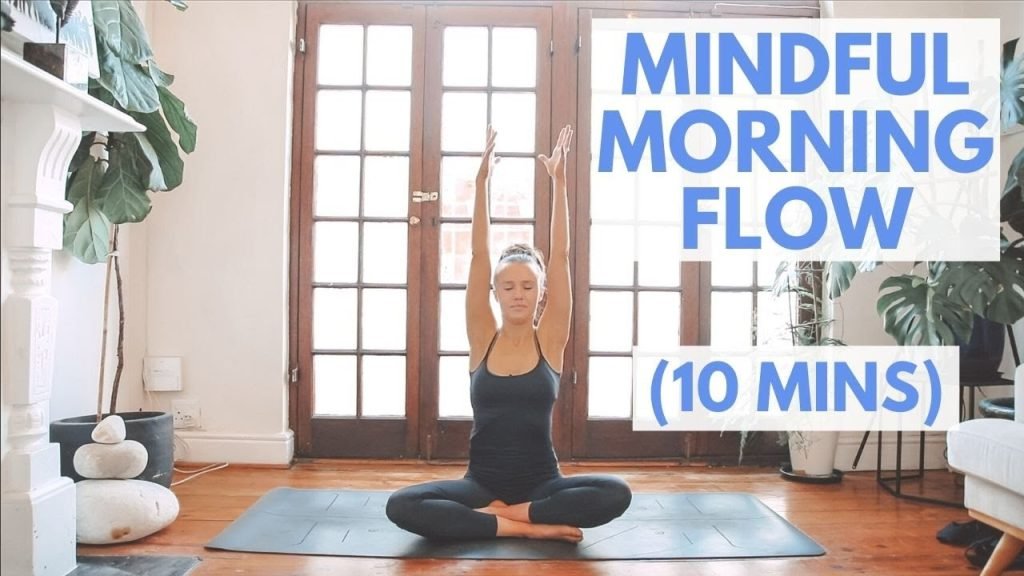
In the hustle and bustle of everyday life, finding time for self-care can often feel like a luxury. Yet, taking just ten minutes out of your day to engage in a yoga practice can transform your outlook, energy, and overall well-being. Yoga isn’t just about flexibility or physical strength; it’s a holistic practice that nurtures the mind, body, and spirit. This article will guide you through a simple and effective 10-minute yoga flow that can seamlessly fit into any schedule, providing you with a mental and physical reset.
The Power of a 10-Minute Yoga Practice
Contrary to popular belief, you don’t need to spend hours on the mat to experience the benefits of yoga. A brief, focused session can effectively reduce stress, enhance mental clarity, and revitalize your energy levels. A 10-minute yoga flow is ideal for busy individuals, offering a quick yet meaningful way to improve posture, increase circulation, and cultivate mindfulness.
Preparing for Your Practice
Before you begin, find a quiet space where you won’t be disturbed. Wear comfortable clothing that allows for easy movement. You might want to use a yoga mat for added comfort and stability, although a carpeted floor or a non-slippery surface can also suffice. Consider playing calming music or lighting a candle to create a soothing atmosphere.
Setting an Intention
Start by setting an intention for your practice. This could be a word or phrase that reflects what you hope to achieve, such as “peace,” “focus,” or “self-compassion.” Setting an intention helps anchor your mind and guides your practice.
The 10-Minute Yoga Flow
1. Mountain Pose (Tadasana)
Begin your practice with Mountain Pose. Stand tall with your feet hip-width apart, arms by your sides, and palms facing forward. Ground yourself by distributing your weight evenly across both feet. Inhale deeply, lifting your chest and lengthening your spine. Hold for one minute, focusing on your breath and posture.
2. Forward Fold (Uttanasana)
From Mountain Pose, exhale and hinge at your hips to fold forward. Allow your head to hang heavy and your knees to bend slightly. This pose stretches the hamstrings and releases tension in the neck and shoulders. Hold for one minute, breathing deeply.
3. Cat-Cow Stretch (Marjaryasana-Bitilasana)
Move into a tabletop position on your hands and knees. As you inhale, arch your back and lift your head and tailbone for Cow Pose. Exhale, rounding your spine and tucking your chin for Cat Pose. Continue flowing between these two poses for one minute, synchronizing your breath with each movement.
4. Downward-Facing Dog (Adho Mukha Svanasana)
Transition to Downward-Facing Dog by tucking your toes under and lifting your hips towards the ceiling. Your body should form an inverted V shape. Spread your fingers wide and press firmly into your hands. Hold for one minute, pedaling your feet to stretch your calves.
5. Warrior I (Virabhadrasana I)
Step your right foot forward between your hands, bending the right knee while keeping the left leg straight. Raise your arms overhead, palms facing each other. This pose strengthens the legs and opens the hips. Hold for 30 seconds, then switch sides.
6. Tree Pose (Vrksasana)
Stand on your left leg and bring the sole of your right foot to your inner left thigh or calf (avoid the knee). Balance as you bring your hands to prayer position at your chest. Focus on a point in front of you to help maintain balance. Hold for 30 seconds, then switch sides.
7. Seated Forward Bend (Paschimottanasana)
Sit with your legs extended in front of you. Inhale and reach your arms overhead, then exhale and fold forward, reaching for your feet. This pose stretches the spine and hamstrings. Hold for one minute, breathing deeply.
8. Corpse Pose (Savasana)
Conclude your practice with Corpse Pose. Lie flat on your back with your legs extended and arms by your sides, palms facing up. Close your eyes and focus on your breath, allowing your body to relax completely. Stay in this pose for one minute to absorb the benefits of your practice.
Integration and Reflection
After your yoga flow, take a moment to reflect on how you feel. Notice any changes in your body or mood. This brief pause helps integrate the practice into your day and reinforces the benefits. Consider journaling your thoughts or expressing gratitude for taking time to nurture yourself.
Tips for Consistency
Incorporating a 10-minute yoga flow into your daily routine can make a significant impact over time. Here are some tips to help you maintain consistency:
1. Schedule It
Set a specific time each day for your practice, whether it’s in the morning to energize your day or in the evening to unwind.
2. Create a Dedicated Space
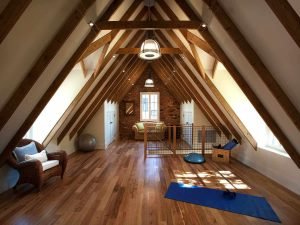
Designate a specific area in your home for yoga. Having a dedicated space can help you establish a routine and make your practice feel more intentional.
3. Be Flexible
Life can be unpredictable, so allow yourself the flexibility to practice at different times or modify poses as needed.
4. Use Reminders
Set reminders on your phone or calendar to prompt you to practice. Visual cues, such as leaving your yoga mat out, can also serve as gentle reminders.
Conclusion
By dedicating just ten minutes a day to a mindful yoga practice, you can experience profound changes in your physical and mental well-being. This simple yet powerful routine provides a foundation for a healthier lifestyle, fostering resilience, clarity, and peace. Whether you’re new to yoga or an experienced practitioner, this 10-minute flow is a versatile addition to your daily routine, empowering you to transform your day, one breath at a time.