In the hustle and bustle of modern life, finding balance can be challenging. However, integrating an energizing morning yoga routine into your daily regimen can transform your day, setting a positive and rejuvenating tone. Unlike a cup of coffee or a quick breakfast, yoga offers a holistic approach to energizing the body, mind, and spirit. This article will guide you through a morning yoga routine designed to awaken your senses, boost your energy levels, and prepare you for the day ahead.
The Benefits of Morning Yoga
Practicing yoga in the morning has numerous benefits. It clears your mind, boosts your energy, and enhances your mood. Yoga increases blood circulation, improves flexibility, and enhances concentration, making you more productive throughout the day. The gentle stretches and mindful breathing reduce stress and anxiety, centering you and promoting inner peace. By dedicating just 20 to 30 minutes each morning to yoga, you can experience a significant positive impact on your overall well-being.
The Energizing Morning Yoga Routine
This energizing morning yoga routine is designed to be accessible, even for beginners. It incorporates a series of poses (asanas) that progressively awaken the body. Each pose should be held for about 30 seconds to one minute, focusing on breathing deeply and mindfully. Let’s dive into the sequence:
1. Mountain Pose (Tadasana)
Begin your practice with Mountain Pose, a foundational pose that encourages grounding and stability. Stand with your feet together, arms at your sides, and distribute your weight evenly across your feet. Inhale deeply, elongating your spine and reaching the crown of your head towards the sky. This posture enhances focus and sets the tone for your practice.
2. Sun Salutations (Surya Namaskar)
Sun Salutations are a series of poses that flow into one another, invigorating the body and warming up the muscles. Begin with your hands in prayer position at your heart center, inhale as you raise your arms overhead, and exhale into a forward fold. Continue the sequence with a plank pose, lowering into a Chaturanga, then rising into an upward-facing dog, and finally, transitioning into a downward-facing dog. Repeat this sequence 3 to 5 times to build heat and energy.
3. Warrior I (Virabhadrasana I)
From Downward-Facing Dog, step your right foot forward between your hands, swiveling your left heel down. Rise into Warrior I, with your right knee bent and arms reaching overhead. This empowering pose strengthens the legs and opens the chest, fostering confidence and vitality. Hold for a few breaths, then switch sides.
4. Warrior II (Virabhadrasana II)
Transition from Warrior I to Warrior II by opening your hips and shoulders to the side. Extend your arms parallel to the ground and gaze over your front hand. Warrior II enhances stamina and balance, promoting alertness and focus. Feel the strength and stability in your legs as you hold the pose, then switch sides.
5. Triangle Pose (Trikonasana)
Move into Triangle Pose by straightening your front leg and reaching forward with your front hand. Lower your hand to your shin or the ground, and extend your opposite arm towards the sky. This pose stretches the legs, groins, hips, and shoulders, while also improving digestion and reducing stress. Breathe deeply, then switch sides.
6. Tree Pose (Vrksasana)
From a standing position, shift your weight onto your left foot and place the sole of your right foot on your inner left thigh or calf (avoid the knee). Bring your hands to prayer position at your heart center. Tree Pose improves balance and concentration, grounding you and enhancing your sense of stability. Hold the pose, then switch sides.
7. Seated Forward Bend (Paschimottanasana)
Transition to a seated position and extend your legs in front of you. Inhale as you lengthen your spine, and exhale as you fold forward, reaching for your feet. This pose stretches the spine, shoulders, and hamstrings, promoting relaxation and calmness. Hold the pose, breathing deeply and allowing your body to release tension.
8. Cat-Cow Stretch (Marjaryasana-Bitilasana)
Move to a tabletop position on your hands and knees. Inhale as you arch your back, lifting your head and tailbone towards the sky (Cow Pose), and exhale as you round your spine, tucking your chin to your chest (Cat Pose). This gentle flow warms up the spine, alleviates back tension, and harmonizes breath with movement. Repeat several rounds, savoring the rhythm.
9. Child’s Pose (Balasana)
End your practice with Child’s Pose, a restorative posture that encourages relaxation and introspection. Kneel on the mat, sit back on your heels, and stretch your arms forward, resting your forehead on the ground. This pose calms the mind, relieves stress, and gently stretches the hips, thighs, and ankles. Breathe deeply, surrendering to the stillness.
Mindful Breathing and Meditation
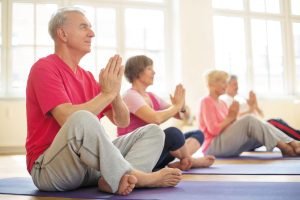
After completing the physical asanas, take a few moments for mindful breathing and meditation. Sit comfortably, close your eyes, and focus on your breath. Inhale deeply through your nose, hold for a moment, and exhale slowly through your mouth. Visualize positive energy flowing through your body, revitalizing every cell. Allow your thoughts to settle as you cultivate a sense of inner peace and gratitude.
Incorporating Yoga into Your Morning Routine
To make this energizing morning yoga routine a consistent part of your day, consider the following tips:
- Set a Consistent Time: Choose a specific time each morning for your yoga practice to create a habit.
- Create a Dedicated Space: Designate a quiet, clutter-free area in your home for your practice, enhancing focus and tranquility.
- Use a Yoga Mat: A quality yoga mat provides comfort and stability during your practice.
- Stay Hydrated: Drink water before and after your practice to keep your body hydrated.
- Listen to Your Body: Modify poses as needed and honor your body’s limits, prioritizing safety and comfort.
Conclusion
By embracing this energizing morning yoga routine, you can transform your day, enhancing your physical, mental, and emotional well-being. Consistent practice will cultivate a sense of balance, clarity, and vitality, empowering you to navigate life’s challenges with grace and resilience. Remember, the journey of yoga is deeply personal, and each session is an opportunity to connect with yourself and foster a sense of inner harmony. Namaste.
#ChatGPT assisted in the creation of this article.