
In the fast-paced world we live in, stress and anxiety have become unwelcome companions. Our hectic lifestyles often leave us feeling drained, both physically and mentally. However, there is a simple yet powerful tool that can help us unlock vitality and rejuvenate our mind and body: deep breathing. While it may seem basic, the practice of deep breathing holds surprising benefits that can transform our well-being. In this article, we will explore the profound effects of deep breathing and how incorporating it into daily life can enhance vitality.
The Science of Deep Breathing
Deep breathing, also known as diaphragmatic breathing, involves inhaling deeply through the nose, allowing the abdomen to expand, and exhaling slowly through the mouth. This technique engages the diaphragm, a dome-shaped muscle located just below the lungs. By activating the diaphragm, we ensure that the lungs fill completely, maximizing the intake of oxygen and the release of carbon dioxide.
Scientific research has shown that deep breathing can stimulate the parasympathetic nervous system, promoting relaxation and reducing stress. It helps decrease heart rate and blood pressure, counteracting the effects of the sympathetic nervous system, which is responsible for the body’s ‘fight or flight’ response. By practicing deep breathing regularly, we can achieve a balanced state of being, fostering both mental clarity and physical vitality.
Boosting Energy Levels
One of the most immediate benefits of deep breathing is an increase in energy levels. When we breathe deeply, we enhance the oxygen supply to our cells, which is essential for energy production. Oxygen is vital for the mitochondria, the powerhouses of our cells, to convert nutrients into usable energy. By optimizing oxygen intake through deep breathing, we can combat fatigue and feel more energized throughout the day.
Additionally, deep breathing helps release endorphins, the body’s natural feel-good hormones. These endorphins can boost mood and energy, providing a natural and sustainable way to enhance vitality without relying on stimulants like caffeine.
Enhancing Mental Clarity
In our modern lives, mental clarity is often compromised by constant distractions and information overload. Deep breathing can serve as a powerful tool to sharpen focus and improve cognitive function. By increasing oxygen flow to the brain, deep breathing enhances concentration and memory retention. It also helps reduce the levels of cortisol, the stress hormone, which can impair cognitive abilities when elevated.
Moreover, deep breathing encourages mindfulness, a state of being present and fully engaged in the current moment. By focusing on the breath, we can quiet the mind and reduce mental chatter, leading to improved clarity and decision-making skills.
Reducing Stress and Anxiety
Stress and anxiety are prevalent in today’s society, affecting millions of people worldwide. Deep breathing offers a natural and effective way to manage these conditions. By activating the parasympathetic nervous system, deep breathing induces a state of relaxation, helping to counteract the effects of stress.
Regular practice of deep breathing can reduce the frequency and intensity of anxiety attacks. It provides a sense of control over the body’s response to stressors, empowering individuals to navigate challenging situations with calmness and composure. Furthermore, deep breathing can improve sleep quality, as it promotes relaxation and reduces the racing thoughts that often accompany stress and anxiety.
Supporting Physical Health
Beyond its mental benefits, deep breathing also supports physical health in numerous ways. By enhancing oxygen intake, deep breathing improves cardiovascular health, promoting better circulation and reducing the risk of heart-related issues. It can also aid in digestion by stimulating the vagus nerve, which plays a crucial role in regulating digestive functions.
Deep breathing can also strengthen the respiratory system. By engaging the diaphragm and intercostal muscles, it enhances lung capacity and efficiency. This is particularly beneficial for individuals with respiratory conditions such as asthma or chronic obstructive pulmonary disease (COPD), as it can help alleviate symptoms and improve overall lung function.
Practicing Deep Breathing
Incorporating deep breathing into daily life is simple and can be done anywhere, at any time. Here are some practical steps to get started:
Find a Comfortable Position
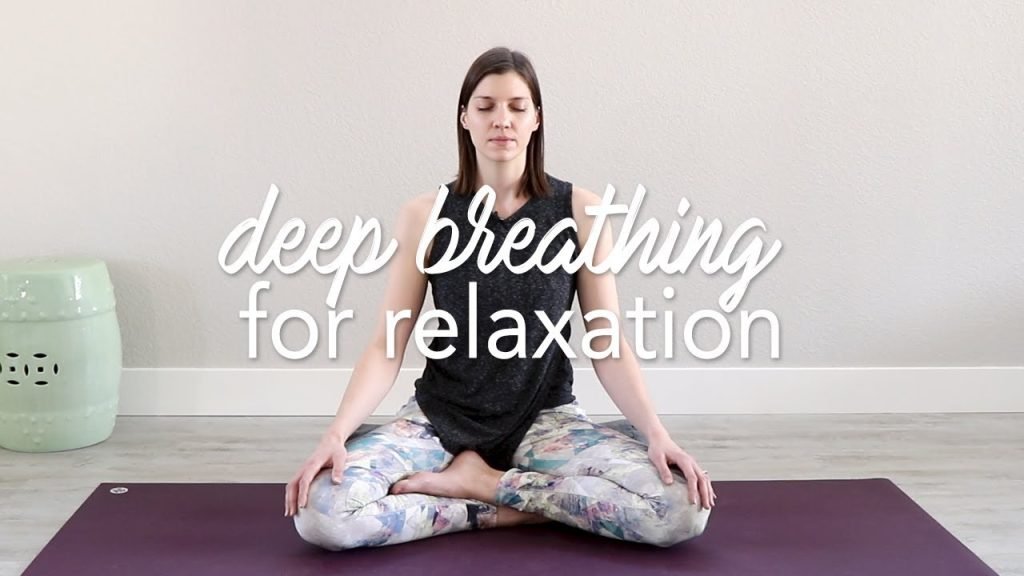
Sit or lie down in a comfortable position. Ensure your back is straight, and your shoulders are relaxed.
Focus on Your Breath
Close your eyes and bring your attention to your breath. Notice the natural rhythm of your breathing without trying to change it.
Inhale Deeply
Inhale slowly through your nose, allowing your abdomen to expand as your diaphragm moves downward. Imagine filling your lungs with air from the bottom up.
Pause and Exhale
Pause for a moment, then exhale slowly through your mouth, allowing your abdomen to contract as your diaphragm moves upward. Release all the air from your lungs.
Repeat
Continue this cycle for several minutes, gradually increasing the duration as you become more comfortable with the practice.
Conclusion
Deep breathing is a simple yet transformative practice that can unlock vitality and enhance overall well-being. From boosting energy levels and improving mental clarity to reducing stress and supporting physical health, the benefits of deep breathing are vast and well-documented. By incorporating this practice into daily life, we can cultivate a sense of balance, resilience, and vitality, enabling us to thrive in both mind and body. So, take a deep breath, embrace the power of deep breathing, and unlock your full potential.