In a world that often feels cluttered and overwhelming, many individuals are turning to minimalism as a way to simplify their lives. This philosophy, which revolves around the idea of living with less to focus on what truly matters, can be particularly transformative when applied to your yoga practice. Embracing minimalism in yoga not only enhances the physical and mental benefits of the practice but also deepens your connection to your inner self. In this article, we’ll explore how minimalism can transform your yoga practice and guide you on this journey of simplification and focus.
The Essence of Minimalism
Minimalism is more than just a trend—it’s a lifestyle choice that encourages individuals to strip away the excess and focus on what truly brings joy and meaning to their lives. At its core, minimalism is about intentionality and clarity. By reducing distractions and unnecessary possessions, individuals can create a space that fosters mindfulness and peace.
When applied to yoga, minimalism encourages practitioners to let go of the non-essential elements that can sometimes overshadow the practice itself. This includes not only physical clutter but also the mental and emotional baggage that can impede progress. By embracing minimalism, you can create a more intentional and focused yoga practice that aligns with your true purpose.
Declutter Your Physical Space
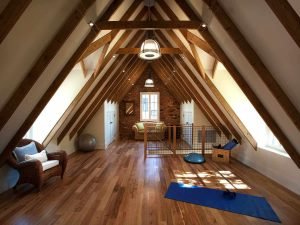
One of the first steps to embracing minimalism in your yoga practice is to declutter your physical space. A cluttered environment can lead to a cluttered mind, which can hinder your ability to fully engage in your practice. Start by evaluating your yoga space—whether it’s a dedicated room or a corner of your living area—and remove any items that do not serve a purpose or bring you joy.
Essential Yoga Gear
Consider simplifying your yoga gear to only the essentials. A quality yoga mat, a block, and a strap may be all you need to support your practice. By reducing the number of props and accessories, you can focus more on your movements and breath rather than getting caught up in the tools themselves.
Creating a Serene Environment
Transform your yoga space into a serene environment by incorporating calming elements such as natural light, plants, or soothing colors. A minimalist space is designed to promote tranquility and concentration, allowing you to dive deeper into your practice without unnecessary distractions.
Mindful Consumption
Minimalism is not just about reducing physical clutter; it also involves being mindful of what you consume. This includes everything from the media you engage with to the information you allow into your mind. In the context of yoga, mindful consumption means being selective about the classes you attend, the teachers you follow, and the philosophies you embrace.
Choosing Quality Over Quantity
Instead of attending multiple yoga classes each week, consider focusing on a few high-quality sessions that truly resonate with you. This approach allows you to fully absorb the teachings and integrate them into your practice, rather than spreading yourself thin and feeling overwhelmed.
Curating Your Inspiration
Be intentional about the sources of inspiration you engage with. Follow teachers and influencers who align with your minimalist values and whose teachings inspire and uplift you. By curating your sources of inspiration, you can ensure that your yoga practice remains aligned with your personal goals and values.
Focus on the Present Moment
One of the key principles of both minimalism and yoga is the focus on the present moment. By letting go of distractions and unnecessary thoughts, you can cultivate a deeper awareness of the here and now. This mindfulness allows you to fully engage with your practice and experience its benefits on a more profound level.
Embracing Simplicity in Asanas
In your yoga practice, embrace simplicity by focusing on foundational asanas and mastering them before moving on to more complex poses. This approach allows you to build a strong foundation and cultivate a deeper understanding of your body and its capabilities.
Mindfulness in Movement
Practice mindfulness in your movements by paying attention to the sensations in your body and the rhythm of your breath. This mindful approach helps to quiet the mind and bring your focus inward, allowing you to experience a deeper connection with yourself.
Nurturing Inner Peace
Minimalism in yoga is not just about external simplification; it also involves nurturing inner peace and tranquility. By letting go of unnecessary stressors and focusing on what truly matters, you can cultivate a sense of calm and balance in your life.
Setting Intentions
Begin each practice by setting a clear intention that aligns with your minimalist values. This intention can serve as a guiding light throughout your session, helping you stay focused and centered.
Meditation and Breathwork
Incorporate meditation and breathwork into your practice to deepen your connection to the present moment and cultivate inner peace. These practices encourage mindfulness and help to quiet the mind, allowing you to let go of distractions and focus on what truly matters.
Conclusion
Embracing minimalism in your yoga practice is a powerful way to transform not only your practice but your entire approach to life. By simplifying your environment, being mindful of your consumption, focusing on the present moment, and nurturing inner peace, you can create a more intentional and fulfilling yoga practice. As you let go of the non-essential and focus on what truly matters, you’ll find that your practice becomes a source of profound joy, clarity, and inspiration.
Minimalism in yoga is a journey of self-discovery and transformation. It invites you to look within and identify what truly resonates with your values and aspirations. As you embrace this philosophy, you’ll find that your yoga practice becomes a sanctuary of peace and purpose, guiding you towards a more meaningful and mindful life.