Yoga is a transformative practice that enhances flexibility, strength, and mental clarity. For beginners, embarking on this journey can be both exciting and challenging. One way to ease into yoga and maximize its benefits is by incorporating yoga props. These tools can help practitioners achieve poses safely and effectively, making the practice accessible to everyone, regardless of their current level of flexibility. This article will explore the top yoga props for beginners, focusing on how they can enhance flexibility and improve the overall yoga experience.
Understanding the Importance of Flexibility
Flexibility is a key component of physical fitness and overall health. It allows for greater range of motion and reduces the risk of injury. In yoga, flexibility is not just about achieving complex poses; it’s about finding balance, stability, and comfort within each asana (pose). For beginners, developing flexibility can be daunting, but with patience and the right tools, it becomes a rewarding part of the practice.
The Role of Yoga Props
Yoga props are designed to assist practitioners in achieving proper alignment and to support the body in poses that might otherwise be challenging. They provide stability and allow for a deeper, more mindful experience. Props are particularly beneficial for beginners who might struggle with flexibility and balance. By using props, yogis can focus on the sensations and benefits of each pose without overexerting themselves or risking injury.
Top Yoga Props for Beginners
Yoga Blocks
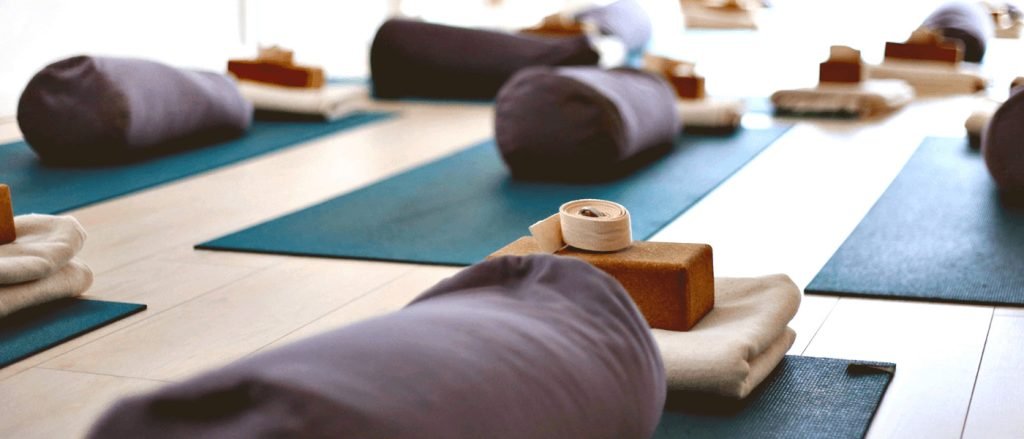
Yoga blocks are one of the most versatile and widely used props in yoga. They are typically made of foam, cork, or wood and come in various sizes. Blocks help beginners by providing a stable surface to support the hands, feet, or hips during poses. They are particularly useful in standing poses like Trikonasana (Triangle Pose) or Ardha Chandrasana (Half Moon Pose), where reaching the ground may be difficult. By bringing the ground closer, blocks enable practitioners to maintain proper alignment and engage muscles more effectively.
Yoga Straps
Yoga straps, often made of cotton or nylon, are beneficial for improving flexibility and deepening stretches. They act as an extension of the arms, allowing beginners to reach their feet in seated forward bends or to bind their hands in poses where flexibility is limited. Using a strap can help maintain proper posture and prevent strain, making it an invaluable tool for poses like Paschimottanasana (Seated Forward Bend) or Gomukhasana (Cow Face Pose).
Bolsters
Bolsters are firm, cushion-like props that provide support and comfort in various poses. They are particularly helpful in restorative yoga, where poses are held for longer durations to facilitate deep relaxation and stretching. Bolsters can be used under the knees, back, or neck to relieve tension and enhance flexibility. In poses like Supta Baddha Konasana (Reclined Bound Angle Pose) or Viparita Karani (Legs-Up-the-Wall Pose), bolsters allow the body to release and open up gradually.
Yoga Blankets
Yoga blankets are versatile props that can be folded or rolled to provide support and cushioning. They are often used to pad the knees in kneeling poses or to elevate the hips in seated poses, promoting better alignment and flexibility. Blankets can also be used for warmth and comfort during Savasana (Corpse Pose), enhancing relaxation and recovery. In poses like Salamba Sarvangasana (Supported Shoulderstand), a neatly folded blanket under the shoulders can protect the neck and spine.
Yoga Wheels
Yoga wheels are newer additions to the world of yoga props but have quickly gained popularity for their ability to enhance flexibility and balance. These circular props help open the chest, shoulders, and back, allowing for deeper backbends and stretches. For beginners, yoga wheels can provide support and confidence in poses like Urdhva Dhanurasana (Wheel Pose) or Chakrasana (Full Wheel Pose), encouraging a gradual increase in flexibility and strength.
Incorporating Props into Your Practice
Integrating yoga props into your practice requires an open mind and a willingness to explore. Here are some tips for using props effectively:
- Start Slow: Begin with poses you are comfortable with and gradually incorporate props to deepen the stretch or improve alignment.
- Listen to Your Body: Use props to support your body, not to push beyond your limits. Pay attention to your body’s signals and adjust as needed.
- Seek Guidance: If you’re unsure how to use a prop, consider taking a class or consulting with a certified yoga instructor. They can provide valuable insights and corrections.
- Experiment: Props are tools for exploration. Try different props and positions to find what works best for your body and practice.
Conclusion
Yoga props are invaluable allies in the journey to enhance flexibility and deepen your practice. For beginners, they offer the support and confidence needed to explore new poses and push personal boundaries safely. By incorporating yoga blocks, straps, bolsters, blankets, and wheels, practitioners can unlock new levels of flexibility and discover the transformative potential of yoga. Remember, flexibility is not a destination but a continuous journey of growth and self-discovery. Embrace the process, use props wisely, and enjoy the path to a more flexible and balanced life.