In today’s fast-paced world, anxiety has become a common concern affecting millions of people globally. While conventional treatments such as therapy and medication play a crucial role in managing anxiety, natural remedies, including yoga, have gained recognition for their therapeutic benefits. This article provides expert insights into the top natural remedies for anxiety, emphasizing the role of yoga in fostering mental well-being.
Understanding Anxiety
Anxiety is a natural response to stress, characterized by feelings of worry, nervousness, or fear. While occasional anxiety is a normal part of life, chronic anxiety can interfere with daily activities and overall quality of life. Understanding the underlying causes and symptoms of anxiety is crucial in identifying effective remedies.
The Role of Yoga in Managing Anxiety
Yoga, an ancient practice combining physical postures, breathing exercises, and meditation, has been heralded for its holistic approach to health. Its benefits extend beyond physical fitness, significantly impacting mental health by reducing stress and promoting relaxation. Here are some key aspects of yoga that can help manage anxiety:
Mind-Body Connection
Yoga emphasizes the connection between the mind and body, encouraging individuals to focus on the present moment. This mindfulness practice can help reduce anxiety by shifting attention away from worrisome thoughts and fostering a sense of calm.
Breath Control (Pranayama)
Pranayama, the practice of breath control in yoga, is particularly effective in reducing anxiety. Specific techniques such as deep breathing, alternate nostril breathing, and ocean breath (Ujjayi) can activate the parasympathetic nervous system, promoting relaxation and reducing stress levels.
Physical Postures (Asanas)
Certain yoga poses, known as asanas, can alleviate anxiety by releasing tension in the body and promoting relaxation. Poses like Child’s Pose (Balasana), Forward Bend (Uttanasana), and Legs-Up-the-Wall Pose (Viparita Karani) are especially beneficial for calming the mind and reducing anxiety.
Meditation and Mindfulness
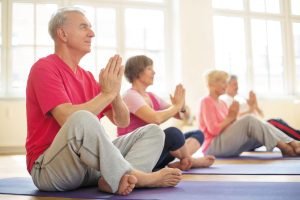
Meditation and mindfulness practices are integral to yoga, helping individuals cultivate a sense of awareness and acceptance. Regular meditation can reduce symptoms of anxiety by promoting emotional balance and improving the ability to cope with stress.
Top Natural Remedies for Anxiety
In addition to yoga, several natural remedies can complement anxiety management strategies. These remedies focus on lifestyle changes, dietary adjustments, and holistic practices that support mental well-being.
Herbal Supplements
Herbal supplements such as chamomile, lavender, and passionflower have been traditionally used to reduce anxiety. These herbs contain compounds that promote relaxation and act as natural sedatives. However, it’s essential to consult with a healthcare professional before incorporating any supplements into your routine.
Aromatherapy
Aromatherapy involves the use of essential oils to promote relaxation and alleviate anxiety. Scents like lavender, bergamot, and ylang-ylang are known for their calming properties. Diffusing these oils or using them in massage can create a soothing environment that helps manage anxiety.
Exercise and Physical Activity
Regular physical activity, including brisk walking, jogging, or dancing, can significantly reduce anxiety levels. Exercise releases endorphins, which act as natural mood elevators, helping to alleviate stress and anxiety. Incorporating physical activity into your daily routine can enhance overall well-being.
Balanced Diet
A balanced diet rich in nutrients can support mental health and reduce anxiety. Foods high in omega-3 fatty acids, such as salmon and walnuts, have anti-inflammatory properties that promote brain health. Additionally, magnesium-rich foods like spinach and almonds can help regulate stress hormones.
Quality Sleep
Adequate sleep is crucial for mental health, and poor sleep can exacerbate anxiety symptoms. Establishing a consistent sleep schedule, creating a relaxing bedtime routine, and optimizing your sleep environment can improve sleep quality and reduce anxiety.
Social Support
Building a strong support system can significantly impact anxiety management. Engaging with friends, family, or support groups can provide emotional support, reduce feelings of isolation, and offer practical strategies for coping with anxiety.
The Science Behind Yoga and Anxiety Relief
Numerous studies have explored the impact of yoga on anxiety, providing scientific evidence for its effectiveness. Research indicates that yoga can reduce the production of stress hormones like cortisol while increasing the production of neurotransmitters like serotonin, which play a role in mood regulation. Additionally, yoga’s emphasis on mindfulness and relaxation can enhance the brain’s ability to manage stress and anxiety.
Creating a Personalized Yoga Routine for Anxiety
Designing a personalized yoga routine tailored to your needs and preferences is essential for maximizing its benefits in managing anxiety. Here are some tips for creating an effective yoga routine:
Start with Gentle Poses
Begin your routine with gentle poses that promote relaxation and ease tension. Poses like Cat-Cow Stretch (Marjaryasana-Bitilasana) and Seated Forward Bend (Paschimottanasana) can help warm up the body and prepare the mind for deeper relaxation.
Focus on Breathing
Incorporate pranayama techniques into your routine to regulate breath and promote relaxation. Start with simple deep-breathing exercises and gradually explore more advanced techniques like alternate nostril breathing.
Incorporate Meditation
Set aside time for meditation at the end of your yoga practice. Choose a comfortable seated position and focus on your breath or a calming mantra to enhance mindfulness and reduce anxiety.
Practice Regularly
Consistency is key to reaping the benefits of yoga for anxiety. Aim to practice yoga several times a week, gradually increasing the duration and intensity of your sessions as you become more comfortable.
Conclusion
Managing anxiety requires a comprehensive approach that includes both conventional and natural remedies. Yoga offers a powerful tool for promoting mental well-being through its emphasis on mindfulness, breath control, and physical postures. By incorporating yoga into your routine alongside other natural remedies, you can create a holistic strategy for reducing anxiety and enhancing overall quality of life. Remember to consult with a healthcare professional before making significant changes to your health regimen, ensuring that your chosen remedies align with your individual needs and circumstances.