
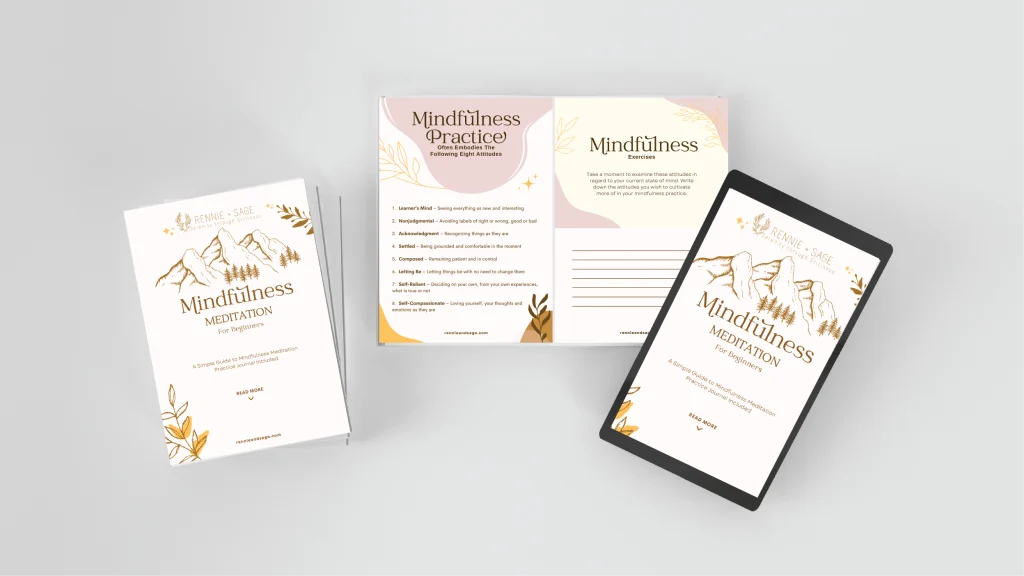
In today’s fast-paced world, achieving mindfulness can seem like an elusive goal. The constant barrage of information, the relentless pace of life, and the myriad stresses we face daily make it challenging to find moments of peace. Yet, mindfulness, the practice of being present and fully engaged with the present moment without judgment, is more accessible than you might think. One powerful tool for cultivating mindfulness is journaling. In this article, we will explore how journaling can transform your mind and help you achieve mindfulness mastery.
Understanding Mindfulness
Before delving into the role of journaling, it’s crucial to understand what mindfulness truly means. At its core, mindfulness is about living in the present moment. It involves being aware of your thoughts, feelings, bodily sensations, and surrounding environment. Mindfulness encourages non-reactivity and acceptance, allowing you to observe your experiences without getting caught up in them.
Mindfulness is not just a mental state; it is a practice that can lead to numerous benefits, including reduced stress, improved emotional regulation, enhanced focus, and greater overall well-being. By incorporating mindfulness into your daily life, you can foster a sense of calm and clarity that transcends the chaos of modern living.
Journaling: A Pathway to Mindfulness
Journaling is a versatile and accessible tool that can help you cultivate mindfulness. Unlike other mindfulness practices that may require specific settings or conditions, journaling only needs a pen, paper, and a willingness to explore your inner world. Here’s how journaling can serve as a pathway to mindfulness:
1. Enhancing Self-Awareness
Journaling encourages self-reflection, which is a cornerstone of mindfulness. By taking the time to write down your thoughts and feelings, you become more aware of your internal landscape. This heightened self-awareness allows you to identify patterns, recognize triggers, and develop a deeper understanding of yourself.
2. Creating a Safe Space for Expression
A journal is a judgment-free zone where you can express your thoughts and emotions freely. This freedom of expression is essential for mindfulness, as it allows you to confront and process your feelings without fear of criticism. Over time, this practice can help you develop a non-judgmental attitude towards yourself and your experiences.
3. Cultivating Gratitude
Gratitude journaling is a popular technique that involves writing down things you are grateful for each day. This practice shifts your focus from what is lacking to what is abundant in your life, fostering a positive mindset. By regularly acknowledging the good in your life, you train your mind to appreciate the present moment and find joy in the everyday.
4. Promoting Emotional Regulation
Journaling can be a therapeutic outlet for managing emotions. By putting your feelings into words, you can gain perspective and distance from them. This process helps you regulate your emotions, preventing them from overwhelming you. Over time, you learn to respond to situations with greater calm and clarity, a hallmark of mindfulness.
5. Encouraging Introspection and Reflection
Mindfulness involves observing your thoughts and feelings without judgment. Journaling provides a structured way to engage in introspection and reflection. By reviewing past entries, you can track your progress, identify areas for growth, and gain insights into your thought patterns. This practice promotes continuous self-improvement and self-awareness.
Practical Tips for Mindful Journaling
To harness the full potential of journaling for mindfulness, consider incorporating the following tips into your practice:
1. Set Aside Dedicated Time
Establish a regular journaling routine by setting aside dedicated time each day. Whether it’s in the morning to set intentions or in the evening to reflect on your day, consistency is key. Treat this time as a sacred ritual for self-discovery and mindfulness.
2. Start with a Prompt
If you’re unsure where to begin, use prompts to guide your journaling. Prompts can range from simple questions like “What am I feeling right now?” to more introspective ones like “What are my core values?” These prompts can help you explore different aspects of your mind and emotions.
3. Write Freely and Without Judgment
When journaling, let your thoughts flow freely without self-censorship. Don’t worry about grammar, spelling, or coherence. The goal is to capture your raw, unfiltered thoughts. Embrace vulnerability and authenticity in your writing.
4. Practice Mindful Breathing
Before you start journaling, take a few moments to practice mindful breathing. Close your eyes, take deep breaths, and focus on the sensation of your breath entering and leaving your body. This practice centers your mind and prepares you for a more mindful journaling session.
5. Reflect and Review
Periodically review your journal entries to gain insights into your progress and growth. Use this reflection as an opportunity to celebrate your achievements, acknowledge areas for improvement, and set new intentions. This practice reinforces your mindfulness journey.
Overcoming Common Challenges
As with any mindfulness practice, journaling comes with its own set of challenges. Here are some common obstacles and strategies to overcome them:
1. Writer’s Block
If you find yourself staring at a blank page, don’t worry. Writer’s block is normal. To overcome it, start with a simple prompt or free-write for a few minutes. Remember, the goal is not perfection but self-expression.
2. Lack of Consistency
Consistency is crucial for mindfulness mastery. If you struggle to maintain a journaling routine, try setting reminders or incorporating journaling into an existing habit, like your morning coffee ritual. Start with short, manageable sessions and gradually increase the duration.
3. Self-Criticism
It’s common to judge your thoughts and emotions during journaling. Combat self-criticism by practicing self-compassion. Remind yourself that your journal is a safe space for exploration, and there are no right or wrong answers.
Conclusion
Journaling is a powerful tool for transforming your mind and achieving mindfulness mastery. By enhancing self-awareness, creating a safe space for expression, cultivating gratitude, promoting emotional regulation, and encouraging introspection, journaling can help you live more mindfully. Remember, mindfulness is a journey, not a destination. Embrace the process, be patient with yourself, and allow journaling to guide you towards a life of greater mindfulness and fulfillment. As you continue this journey, you’ll find that the art of journaling is not just a practice; it’s a gateway to a more mindful and enriched life.