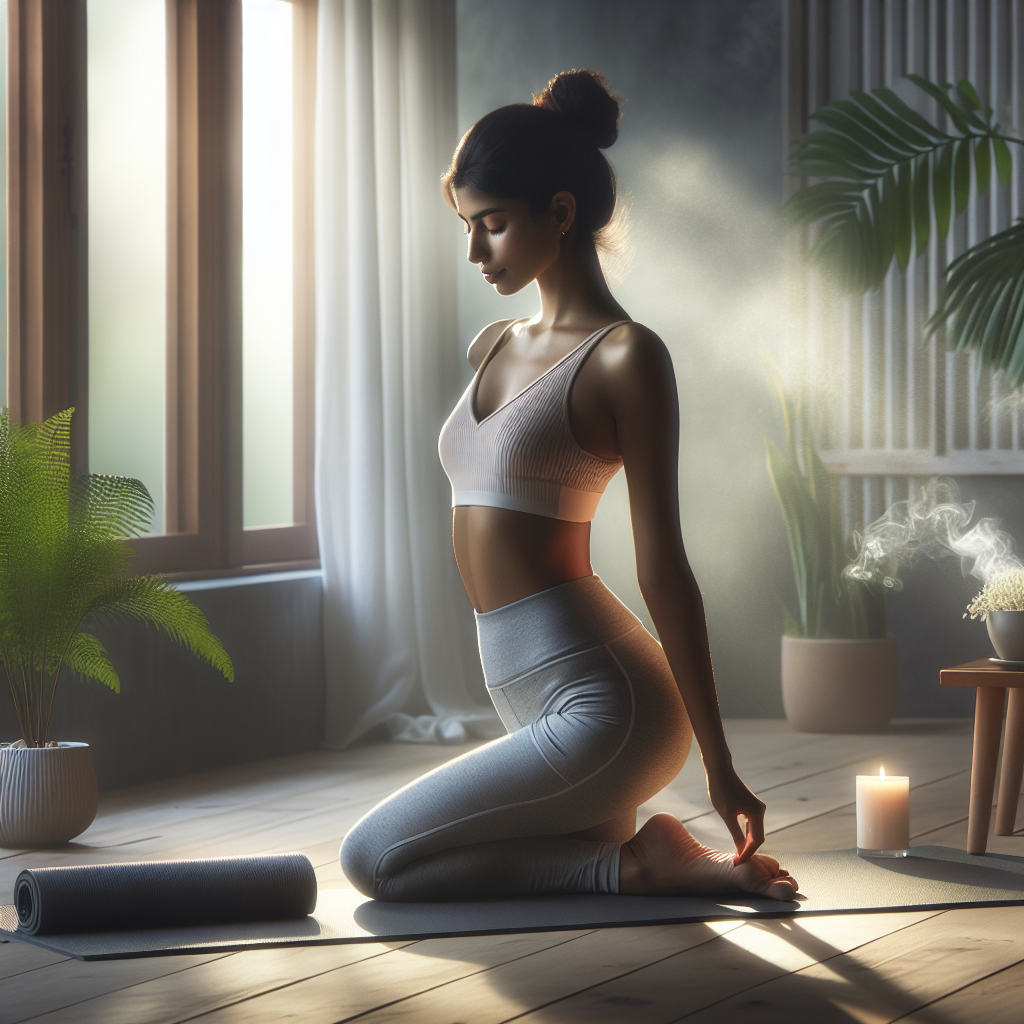
The journey into motherhood is a transformative experience, filled with joy, challenges, and a myriad of new responsibilities. As new mothers adapt to their expanded roles, it’s crucial to also focus on their physical and mental well-being. Postnatal yoga offers a gentle yet effective way for mothers to reconnect with their bodies, alleviate stress, and promote healing after childbirth. This article outlines a comprehensive postnatal yoga routine designed to support new mothers in this transformative phase.
The Benefits of Postnatal Yoga
Postnatal yoga is not just about regaining pre-pregnancy fitness; it’s about nurturing the body and mind. The benefits are multifaceted, making it an ideal practice for new mothers:
- Physical Recovery: Yoga aids in regaining strength and tone in the abdominal muscles and pelvic floor, which can become weakened during pregnancy and childbirth.
- Stress Reduction: The soothing breathwork and mindful movements of yoga help reduce stress and promote relaxation, which is particularly beneficial in managing the demands of motherhood.
- Improved Posture: The practice helps in correcting posture, which can be affected by breastfeeding and carrying the baby, reducing the risk of back pain and tension.
- Emotional Balance: Yoga encourages mindfulness, which fosters emotional stability and a positive outlook, helping mothers manage mood swings and postpartum depression.
When to Start Postnatal Yoga
It’s essential for new mothers to consult with their healthcare provider before beginning any exercise routine post-delivery. Typically, women can start gentle postnatal yoga six weeks after a vaginal birth or eight to ten weeks post-Caesarean section, depending on their individual recovery.
Essential Postnatal Yoga Poses
This postnatal yoga routine is designed to be gentle yet effective, focusing on rebuilding strength, improving flexibility, and enhancing relaxation:
1. Cat-Cow Stretch (Marjaryasana-Bitilasana)
This dynamic movement sequence helps in warming up the spine and alleviating tension in the back and neck.
- Start on your hands and knees, with wrists aligned under shoulders and knees under hips.
- Inhale, arch your back, and lift your head and tailbone towards the ceiling (Cow Pose).
- Exhale, round your spine towards the sky, tucking your chin to your chest and drawing your navel inwards (Cat Pose).
- Repeat for 5-10 breaths, moving fluidly with your breath.
2. Child’s Pose (Balasana)
Child’s Pose is a restorative pose that promotes relaxation and helps alleviate lower back pain.
- Kneel on the floor, touch your big toes together, and sit back on your heels.
- Separate your knees about hip-width apart and lay your torso down between your thighs.
- Extend your arms forward or rest them alongside your body, forehead on the mat.
- Hold for several deep breaths, focusing on releasing tension.
3. Bridge Pose (Setu Bandhasana)
This pose strengthens the back, glutes, and hamstrings, while also gently stretching the abdominal muscles.
- Lie on your back with knees bent and feet flat on the floor, hip-width apart.
- Place your arms alongside your body, palms facing down.
- Press into your feet and lift your hips towards the sky, keeping thighs and feet parallel.
- Hold for a few breaths, then slowly lower your hips back to the floor.
- Repeat 3-5 times.
4. Reclining Bound Angle Pose (Supta Baddha Konasana)
Reclining Bound Angle Pose opens the hips and promotes relaxation.
- Lie on your back, bringing the soles of your feet together and allowing your knees to drop open to the sides.
- Place pillows under your thighs for support if needed.
- Rest your arms at your sides, palms facing up.
- Close your eyes and breathe deeply, staying in the pose for 5-10 minutes.
5. Legs-Up-The-Wall Pose (Viparita Karani)
This restorative pose helps reduce swelling in the legs and promotes relaxation.
- Sit sideways against a wall, then gently swing your legs up the wall as you lower your back to the floor.
- Keep your arms at your sides, palms facing up, and adjust your distance from the wall for comfort.
- Close your eyes and breathe deeply, holding the pose for 5-10 minutes.
Mindful Breathing and Meditation
Incorporating mindful breathing and meditation into your postnatal yoga routine can further enhance relaxation and emotional well-being.
Mindful Breathing
Practicing mindful breathing helps calm the nervous system and reduce stress. Try the following technique:
- Find a comfortable seated position, close your eyes, and take a deep breath in through your nose.
- Exhale slowly through your mouth, focusing on the sensation of your breath.
- Continue for 5-10 minutes, bringing your attention back to your breath whenever your mind wanders.
Guided Meditation
Guided meditation can be a powerful tool for relaxation and mental clarity. Use a meditation app or online resource for a short, guided session, focusing on nurturing themes such as self-compassion and gratitude.
Tips for a Safe and Effective Postnatal Yoga Practice
Here are some tips to ensure your postnatal yoga practice is safe and effective:
- Listen to Your Body: Pay attention to your body’s signals and modify poses as needed to avoid discomfort or strain.
- Stay Hydrated: Keep a water bottle nearby to stay hydrated, especially if you’re breastfeeding.
- Consistent Practice: Aim for consistency over intensity. A short daily practice can be more beneficial than sporadic longer sessions.
- Include Your Baby: If possible, involve your baby in your practice. This can be a bonding experience and can help create a routine.
Conclusion
Embarking on a postnatal yoga journey can be a deeply rewarding experience for new mothers. It not only supports physical recovery but also nurtures emotional well-being, providing a holistic approach to navigating the early stages of motherhood. By committing to a regular practice, new mothers can cultivate a sense of balance and resilience, empowering them to embrace the transformative journey of motherhood with grace and strength.
#ChatGPT assisted in the creation of this article.