
Transforming Anxiety: Discover Yoga’s Calming Power
Anxiety is a common affliction in our fast-paced, modern world. It can manifest in various forms, from mild unease to debilitating panic attacks. While traditional treatments such as therapy and medication are effective for many, an increasing number of people are turning to holistic approaches to manage their symptoms. Among these, yoga stands out as an accessible and powerful practice that offers profound benefits for the mind and body. In this article, we will explore how yoga can transform anxiety, helping individuals cultivate a sense of calm and balance in their lives.
Understanding Anxiety and Its Impact
Anxiety is characterized by feelings of tension, worry, and physical changes such as increased blood pressure. It is the body’s natural response to stress, but when persistent, it can lead to significant disruptions in daily life. Chronic anxiety can impair concentration, disturb sleep, and strain relationships, making it crucial to address these symptoms effectively.
The causes of anxiety are multifaceted, including genetic, environmental, and psychological factors. While anxiety is not entirely preventable, managing its symptoms can significantly improve one’s quality of life. This is where yoga can play a pivotal role, offering a holistic approach to managing stress and anxiety.
The Science Behind Yoga and Anxiety
Yoga is an ancient practice that combines physical postures, breathing exercises, and meditation to promote mental and physical well-being. Over the years, numerous studies have highlighted the positive effects of yoga on mental health, particularly in reducing anxiety. So, how exactly does yoga help in calming the anxious mind?
Regulating the Nervous System
Yoga helps in balancing the autonomic nervous system, which controls the body’s stress response. It activates the parasympathetic nervous system, often referred to as the “rest and digest” system, which counteracts the “fight or flight” response triggered by anxiety. This results in a decrease in heart rate, blood pressure, and cortisol levels, leading to a state of relaxation.
Mindfulness and Present Moment Awareness
One of the core components of yoga is mindfulness, which involves paying attention to the present moment without judgment. Practicing mindfulness helps individuals detach from anxious thoughts and feelings, fostering a sense of calm and clarity. By focusing on the breath and body, yoga encourages a shift away from the mind’s worries, reducing the impact of anxiety.
Breath Control and Its Calming Effects
Pranayama, or breath control, is a fundamental aspect of yoga. Different breathing techniques can help regulate the breath, calming the mind and reducing anxiety. Slow, deep breathing stimulates the vagus nerve, which promotes relaxation and decreases the production of stress hormones.
Practical Yoga Techniques to Calm Anxiety
Incorporating yoga into your daily routine can be a powerful way to manage anxiety. Here are some practical yoga techniques that can help calm the anxious mind:
1. Yoga Asanas (Postures)
While all yoga postures can be beneficial, certain poses are particularly effective in reducing anxiety:
- Child’s Pose (Balasana): This gentle, restorative pose promotes relaxation and calms the mind.
- Forward Bend (Uttanasana): A forward bend can help relieve tension in the back and neck, promoting a sense of release.
- Legs-Up-The-Wall Pose (Viparita Karani): This pose improves circulation and relaxation, making it an excellent choice for anxiety relief.
- Corpse Pose (Savasana): Often practiced at the end of a yoga session, this pose involves lying still and focusing on the breath, promoting deep relaxation.
2. Pranayama (Breath Control)
Engaging in pranayama can help regulate the breath and calm the mind. Some effective techniques include:
- Alternate Nostril Breathing (Nadi Shodhana): This technique balances the left and right hemispheres of the brain, promoting mental clarity and calmness.
- 4-7-8 Breathing: Inhale for a count of four, hold the breath for seven, and exhale for eight. This method slows the heart rate and induces relaxation.
3. Meditation
Meditation is an integral part of yoga that enhances mindfulness and concentration. Regular meditation practice can help break the cycle of anxious thoughts and promote a peaceful state of mind.
4. Guided Relaxation
Guided relaxation, or yoga nidra, is a form of deep relaxation that involves lying down and following a guided script. This practice can be particularly beneficial for those struggling with insomnia or chronic stress.
Incorporating Yoga into Daily Life
To experience the full benefits of yoga for anxiety, it is important to integrate the practice into your daily life. Here are some tips to help you get started:
Set a Regular Practice Schedule
Consistency is key when it comes to yoga. Aim to practice for at least 20-30 minutes daily, even if it’s just a few simple stretches or breathing exercises. Setting aside dedicated time for yoga can help establish a routine and make it easier to manage anxiety.
Create a Calm Environment
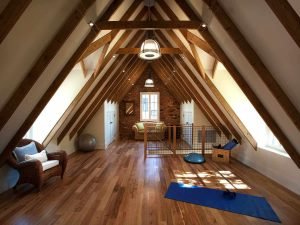
Designate a quiet space in your home for yoga practice. Having a peaceful environment can enhance the calming effects of yoga and help you focus on your practice without distractions.
Listen to Your Body
Yoga is a personal practice, and it’s important to listen to your body and honor its needs. If a pose or technique doesn’t feel right, modify it or try a different approach. The goal is to find what works best for you and your unique needs.
Seek Guidance from a Qualified Instructor
While many yoga resources are available online, attending classes with a qualified instructor can provide valuable guidance and support. An experienced teacher can help you refine your practice and offer personalized recommendations for managing anxiety.
Conclusion
Anxiety is a complex condition that requires a multifaceted approach to management. Yoga offers a powerful and accessible way to transform anxiety, promoting a sense of calm and balance in the mind and body. By incorporating yoga into your daily routine, you can cultivate mindfulness, regulate your breath, and create a peaceful environment that fosters relaxation and well-being. Whether you’re new to yoga or a seasoned practitioner, the calming power of yoga can be a valuable tool in your journey toward managing anxiety and achieving a greater sense of inner peace.
#ChatGPT assisted in the creation of this article.