
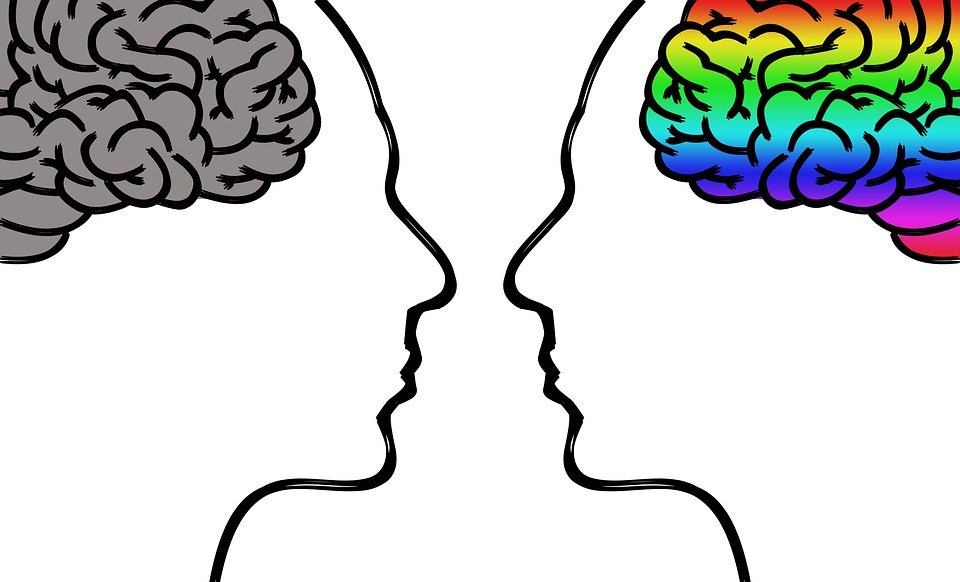
The synergy between the mind and body has been a subject of fascination for centuries, influencing various disciplines from medicine to meditation. This intricate connection is not just a philosophical concept but a scientifically validated truth that can significantly impact our health and well-being. In this article, we delve into the profound power of the mind-body connection, exploring its mechanisms, benefits, and practical applications in everyday life.
Understanding the Mind-Body Connection
The mind-body connection refers to the dynamic interplay between our thoughts, emotions, and physical health. It is the principle that our mental states can directly affect our physical bodies and vice versa. This interaction is facilitated by a complex network of neural pathways, hormones, and biochemical processes that communicate between the brain and the rest of the body.
The Science Behind the Connection
Scientific research has uncovered various pathways through which the mind-body connection operates. The autonomic nervous system, which includes the sympathetic and parasympathetic systems, plays a crucial role in this interaction. For example, stress can activate the sympathetic nervous system, leading to physiological changes such as increased heart rate and blood pressure.
Moreover, the release of hormones like cortisol and adrenaline during stress can have far-reaching effects on immune function, digestion, and overall health. Conversely, positive emotions and relaxation can activate the parasympathetic system, promoting healing and reducing inflammation.
Psychoneuroimmunology: Bridging Psychology and Immunity
Psychoneuroimmunology (PNI) is a field that explores how our psychological state influences the immune system. Studies have shown that stress, depression, and anxiety can weaken immune responses, making the body more susceptible to illnesses. On the other hand, positive mental states, such as happiness and gratitude, have been linked to enhanced immune function and faster recovery times from illnesses.
Benefits of a Strong Mind-Body Connection
Enhanced Physical Health
One of the most tangible benefits of a robust mind-body connection is improved physical health. Practices that nurture this connection, such as yoga and meditation, have been shown to lower blood pressure, reduce chronic pain, and improve cardiovascular health. By fostering a positive mental state, individuals can also enhance their immune responses and reduce the risk of stress-related illnesses.
Improved Mental Well-being
Mental health is deeply intertwined with physical health. A strong mind-body connection can lead to reduced symptoms of anxiety and depression. Mindfulness practices, for instance, encourage individuals to remain present and aware, reducing the impact of negative thoughts and emotions. This awareness can lead to a more balanced emotional state and greater resilience against mental health challenges.
Greater Emotional Resilience
Emotional resilience refers to the ability to adapt to stress and adversity. By strengthening the mind-body connection, individuals can develop a toolkit of strategies to manage stress more effectively. Techniques such as deep breathing, meditation, and progressive muscle relaxation can help calm the nervous system and promote emotional stability.
Practices to Enhance the Mind-Body Connection
Yoga: A Holistic Approach
Yoga is a practice that embodies the essence of mind-body integration. Through a combination of postures, breathing exercises, and meditation, yoga enhances physical flexibility, strength, and mental clarity. Regular practice can lead to increased self-awareness, helping individuals recognize and manage stressors more effectively.
Meditation: Cultivating Inner Peace
Meditation is a powerful tool for strengthening the mind-body connection. By focusing attention and eliminating the stream of jumbled thoughts, meditation can promote emotional health and well-being. Studies have shown that regular meditation can reduce symptoms of anxiety and depression, improve concentration, and foster a sense of calm and balance.
Mindful Breathing: The Power of Breath
Breathing is a fundamental aspect of the mind-body connection. Mindful breathing exercises can help regulate the autonomic nervous system, reducing stress and promoting relaxation. Techniques such as diaphragmatic breathing and alternate nostril breathing can be practiced anywhere, providing an immediate sense of calm and focus.
Progressive Muscle Relaxation
Progressive muscle relaxation involves systematically tensing and relaxing different muscle groups in the body. This practice can help individuals become more aware of physical tension and learn to release it. By promoting physical relaxation, progressive muscle relaxation can also reduce mental stress and enhance overall well-being.
Integrating Mind-Body Practices into Daily Life
Creating a Routine
Consistency is key to unlocking the full potential of the mind-body connection. Establishing a daily routine that incorporates practices like yoga, meditation, or mindful breathing can help individuals maintain balance and resilience in the face of stress.
Mindful Living
Mindful living involves bringing awareness and intention to everyday activities. Whether it’s eating, walking, or working, approaching tasks with mindfulness can deepen the mind-body connection. This practice encourages individuals to focus on the present moment, reducing stress and enhancing enjoyment of life’s simple pleasures.
Journaling for Reflection
Keeping a journal is a valuable tool for self-reflection and emotional processing. Writing about thoughts, feelings, and experiences can help individuals gain insight into their mental states and how they affect their physical well-being. Journaling can also serve as a means of tracking progress and identifying patterns that influence the mind-body connection.
Conclusion
The power of the mind-body connection is undeniable, offering profound benefits for both physical and mental health. By understanding and nurturing this connection, individuals can unlock greater well-being and resilience. Whether through yoga, meditation, or mindful living, integrating mind-body practices into daily life can lead to a more harmonious and fulfilling existence. As research continues to explore this fascinating interplay, one thing remains clear: the mind and body are intricately linked, and together, they form the foundation of a healthy, balanced life.