
In today’s fast-paced world, stress has become an almost unavoidable part of life. It creeps into our daily routines, affecting our mental and physical health. However, the ancient practice of yoga offers a sanctuary—a way to transform stress into calm and cultivate deep relaxation. This article delves into how yoga can be a powerful tool to achieve tranquility and balance, enhancing overall well-being.
The Science of Stress
Stress is the body’s natural response to perceived threats or challenges. When faced with stressors, the body releases hormones like adrenaline and cortisol, triggering the “fight or flight” response. While this reaction is essential for survival, chronic stress can lead to numerous health issues, including anxiety, depression, hypertension, and weakened immune function.
Yoga, with its combination of physical postures, breathing techniques, and meditation, offers a holistic approach to managing stress. It not only addresses the physical symptoms of stress but also works on a mental and emotional level to restore balance.
Yoga: A Pathway to Deep Relaxation
Yoga is much more than just a physical exercise; it’s a mind-body practice that integrates movement, breath, and mindfulness. Here’s how these components contribute to deep relaxation:
Physical Postures (Asanas)
The physical aspect of yoga involves performing various postures or asanas. These postures help release tension, improve flexibility, and promote better circulation. By focusing on the body, you create an opportunity to divert attention away from stressors, allowing the mind to relax.
Some asanas are particularly effective for stress relief and relaxation, including:
– **Child’s Pose (Balasana):** A gentle resting pose that calms the mind and relieves tension in the back and shoulders.
– **Standing Forward Bend (Uttanasana):** Invites a release of tension in the spine and promotes blood flow to the brain.
– **Legs-Up-The-Wall Pose (Viparita Karani):** A restorative pose that encourages relaxation and soothes the nervous system.
Breathing Techniques (Pranayama)
Pranayama, the practice of controlled breathing, is a fundamental aspect of yoga that directly influences the autonomic nervous system. By mastering pranayama, you can shift from the sympathetic nervous system’s stress response to the parasympathetic nervous system’s relaxation response.
Effective pranayama techniques for stress reduction include:
– **Alternate Nostril Breathing (Nadi Shodhana):** Balances the nervous system and calms the mind.
– **Deep Belly Breathing (Diaphragmatic Breathing):** Activates the body’s relaxation response, reducing heart rate and blood pressure.
– **Ujjayi Breath (Ocean Breath):** Creates a sense of inner calm and focus.
Meditation and Mindfulness
Meditation and mindfulness are integral to yoga, offering profound effects on mental well-being. Regular practice enhances awareness, reduces negative thought patterns, and fosters a sense of inner peace.
Techniques such as guided meditation, body scanning, and loving-kindness meditation cultivate mindfulness, allowing you to observe stressors without becoming overwhelmed by them.
Creating a Relaxing Yoga Routine
To harness the stress-transforming power of yoga, it’s essential to create a routine that suits your lifestyle. Here are steps to design a personalized yoga practice for deep relaxation:
Set Intentions
Begin by setting clear intentions for your practice. Whether it’s finding peace, releasing tension, or simply taking a break from daily stressors, having a purpose will guide your yoga journey.
Choose a Quiet Space
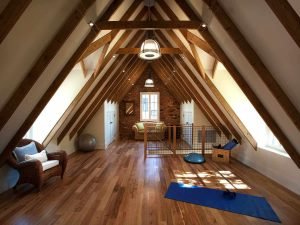
Find a calm and quiet space where you can practice without distractions. This could be a dedicated yoga room or any corner of your home with enough space to move comfortably.
Incorporate Breathing Exercises
Start your practice with pranayama exercises to center yourself. Spend a few minutes focusing on your breath, allowing it to become your anchor throughout the session.
Select Relaxing Asanas
Choose a series of gentle asanas that promote relaxation. Incorporate poses like Child’s Pose, Supine Spinal Twist, and Savasana (Corpse Pose) to encourage deep relaxation.
Practice Mindfulness
Throughout your practice, maintain a mindful attitude. Pay attention to the sensations in your body, the rhythm of your breath, and the thoughts that arise. Embrace each moment with openness and non-judgment.
End with Meditation
Conclude your practice with a short meditation session. Focus on your breath, repeat a calming mantra, or visualize a peaceful scene. Allow yourself to bask in the serenity you have cultivated.
Additional Tips for Stress Transformation
In addition to a regular yoga practice, consider integrating these tips into your daily routine for continuous stress transformation:
Practice Gratitude
Cultivating gratitude shifts your focus from stressors to positive aspects of life. Begin or end your day by reflecting on things you are thankful for.
Stay Connected
Social connections are vital for stress management. Make time for meaningful interactions with family and friends, whether through in-person meetings, phone calls, or virtual connections.
Prioritize Self-Care
Engage in activities that nurture your well-being, such as reading, taking nature walks, or indulging in a relaxing bath. Prioritizing self-care recharges your mental and physical energy.
Limit Technology Use
Constant connectivity can increase stress. Set boundaries for technology use, especially before bedtime, to ensure a restful sleep.
Conclusion
Yoga serves as a transformative practice that empowers you to navigate life’s challenges with grace and resilience. By embracing the physical, mental, and spiritual aspects of yoga, you can effectively transform stress into calm and achieve deep relaxation. As you incorporate yoga into your daily routine, remember that it’s a personal journey—one that unfolds with patience, consistency, and an open heart. Through yoga, you can cultivate a profound sense of peace and harmony, enhancing your overall quality of life.
#ChatGPT assisted in the creation of this article.