Introduction to Mindfulness Meditation
In our fast-paced world, finding peace and tranquility can seem like an elusive pursuit. However, mindfulness meditation offers a pathway to inner peace by bringing awareness and acceptance to the present moment. This ancient practice, rooted in spiritual traditions, has gained significant popularity in modern times due to its profound benefits for mental, emotional, and physical well-being.
Understanding Mindfulness
At its core, mindfulness is about being fully present and engaged with the current moment. It involves observing thoughts, feelings, and sensations without judgment. This practice can be transformative, helping individuals break free from the cycle of stress and worry by cultivating a heightened sense of awareness.
The Science Behind Mindfulness Meditation
Research has increasingly supported the effectiveness of mindfulness meditation in promoting mental health. Studies have shown that regular mindfulness practice can lead to reduced stress, improved focus, and greater emotional resilience. By altering neural pathways, mindfulness meditation enhances overall cognitive function and emotional regulation.
Benefits of Mindfulness Meditation
Emotional Benefits
Mindfulness meditation fosters emotional balance by encouraging individuals to observe their emotions without becoming overwhelmed. This practice enhances self-awareness, allowing individuals to respond to emotions rather than react impulsively. As a result, practitioners often experience reduced anxiety, depression, and overall emotional distress.
Physical Benefits
The impact of mindfulness extends beyond mental well-being; it offers numerous physical benefits as well. Regular practice has been linked to lower blood pressure, improved sleep quality, and enhanced immune function. By reducing stress, mindfulness meditation can also alleviate symptoms of chronic pain and improve overall physical health.
Mental Benefits
Mindfulness meditation enhances cognitive abilities such as attention, memory, and decision-making. By training the mind to focus on the present, practitioners develop better concentration and mental clarity. This heightened awareness can lead to improved problem-solving skills and increased creativity.
Steps to Practice Mindfulness Meditation
Setting the Right Environment
Creating a conducive environment is essential for a successful mindfulness meditation practice. Find a quiet, comfortable space where you won’t be disturbed. Consider dimming the lights and using calming scents or soothing music to enhance relaxation.
Choosing a Comfortable Position
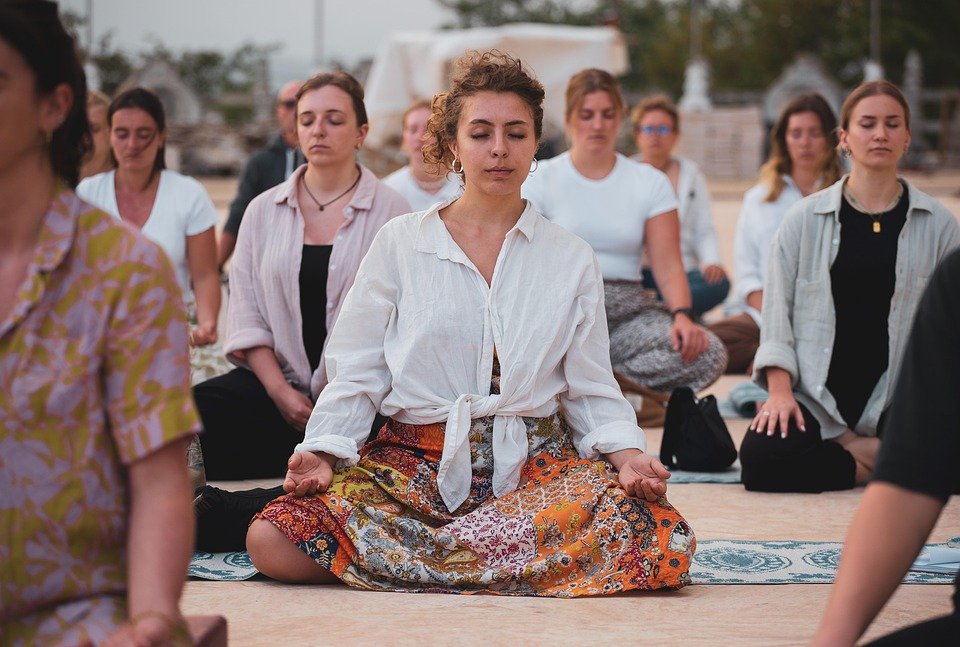
Sit in a comfortable position, either on a chair or a cushion on the floor. Ensure your back is straight, allowing for open and relaxed breathing. Rest your hands on your knees or in your lap, and gently close your eyes to minimize distractions.
Focusing on the Breath
Begin by bringing your attention to your breath. Notice the natural rhythm of your inhalations and exhalations. If your mind starts to wander, gently redirect your focus back to the breath. This simple yet powerful technique is the foundation of mindfulness meditation.
Observing Thoughts and Emotions
As you continue to breathe mindfully, you may become aware of thoughts or emotions arising. Instead of engaging with them, observe them as passing clouds in the sky. Acknowledge their presence without judgment, and let them drift away as you return your attention to the breath.
Body Scan Meditation
Another effective mindfulness technique is the body scan. Gradually shift your attention through different parts of your body, starting from the toes and moving upward. Notice any sensations, tension, or discomfort, and consciously relax each area as you go.
Extending Mindfulness to Daily Life
Mindfulness is not limited to formal meditation sessions; it can be integrated into everyday activities. Practice being fully present while eating, walking, or even during mundane tasks. By incorporating mindfulness into daily life, you can cultivate a continuous state of awareness and inner peace.
Overcoming Common Challenges
Dealing with a Busy Mind
It’s common to experience a busy mind when starting mindfulness meditation. Instead of getting frustrated, gently acknowledge the thoughts and patiently bring your focus back to the breath. With practice, your mind will gradually become more settled.
Managing Expectations
Mindfulness meditation is a journey, not a destination. Avoid setting rigid expectations or striving for a specific outcome. Embrace the present moment and trust in the process. Consistent practice will naturally lead to greater mindfulness and inner peace.
Advanced Mindfulness Techniques
Guided Meditation
Guided meditation involves following the instructions of a teacher or recorded session. This approach can be especially helpful for beginners, providing structure and support. Guided sessions often focus on specific themes, such as gratitude, self-compassion, or stress reduction.
Loving-Kindness Meditation
Loving-kindness meditation, also known as Metta meditation, involves directing positive intentions and well-wishes toward oneself and others. This practice cultivates compassion, empathy, and interconnectedness, fostering a deep sense of inner peace and harmony.
Mindful Movement
Mindful movement, such as yoga or tai chi, combines physical activity with mindfulness principles. By synchronizing breath with movement, practitioners develop a heightened awareness of their body and surroundings. This dynamic form of meditation enhances both physical and mental well-being.
Conclusion: Embracing Inner Peace Through Mindfulness
Mindfulness meditation is a powerful tool for cultivating inner peace and enhancing overall well-being. By practicing mindfulness, individuals can develop a deeper connection with themselves and the world around them. The journey to mindfulness is unique for each person, but the rewards are universal – a calmer mind, a more compassionate heart, and a greater sense of fulfillment.
Whether you are a beginner or an experienced practitioner, the key to successful mindfulness meditation is consistency and patience. Embrace each moment with openness and curiosity, and allow mindfulness to guide you toward a more peaceful and balanced life.
#ChatGPT assisted in the creation of this article.