In today’s fast-paced world, stress has become an almost ubiquitous companion. From demanding work schedules to personal responsibilities, stressors are everywhere. While some stress is unavoidable, it’s crucial to manage it effectively to maintain a healthy balance in our lives. Yoga offers a holistic approach to stress management, providing a blend of physical, mental, and spiritual practices that can significantly alleviate stress. This article will explore various yoga-based strategies to transform stress and promote overall well-being.
The Science Behind Stress and Yoga
Before diving into the strategies, it’s essential to understand the science behind stress and how yoga can help. Stress is the body’s response to any demand or threat, triggering the “fight or flight” response. This leads to the release of stress hormones like cortisol and adrenaline, which can have detrimental effects if not managed effectively.
Yoga, on the other hand, works by activating the parasympathetic nervous system, often referred to as the “rest and digest” system. Through various practices such as physical postures, breathing techniques, and meditation, yoga helps reduce the levels of stress hormones and promotes a state of relaxation and well-being.
Yoga-Based Strategies for Stress Management
1. Mindful Breathing (Pranayama)
One of the cornerstones of yoga is mindful breathing or pranayama. Controlled breathing techniques can significantly reduce stress levels by calming the nervous system. One effective pranayama practice is Nadi Shodhana, or alternate nostril breathing. This technique balances the two hemispheres of the brain, promoting mental clarity and relaxation. To practice, sit in a comfortable position, close your eyes, and use your thumb and ring finger to alternately close off one nostril while breathing in and out through the other.
2. Physical Postures (Asanas)
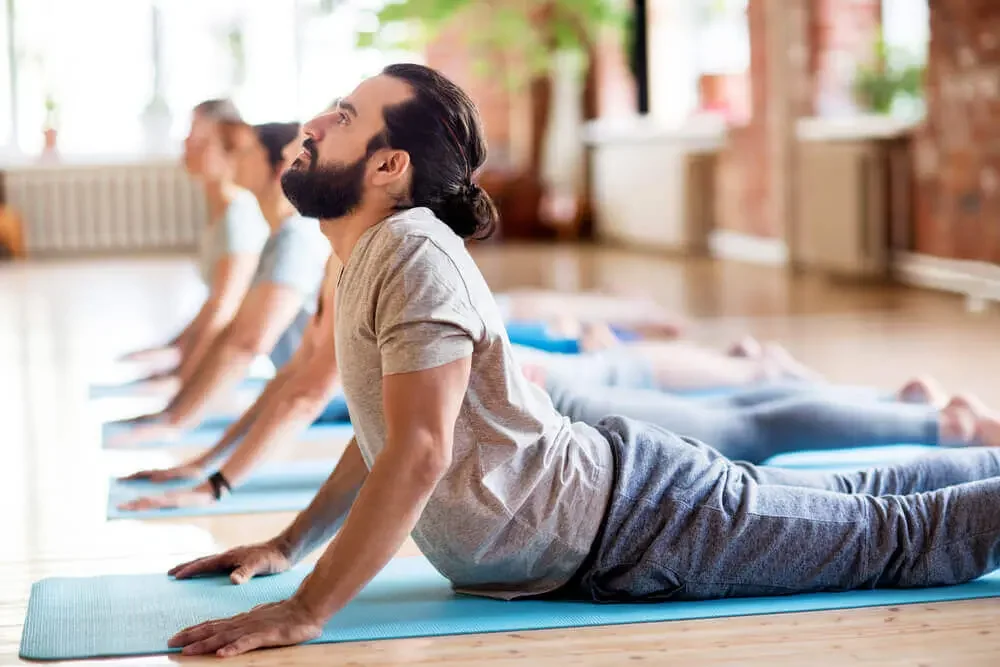
Yoga asanas or postures are designed to enhance physical flexibility, strength, and balance, but they also play a crucial role in stress relief. Gentle yoga poses like Child’s Pose (Balasana), Legs-Up-The-Wall Pose (Viparita Karani), and Cat-Cow Pose (Marjaryasana-Bitilasana) are particularly effective at reducing stress. These poses help release tension stored in the body, promote relaxation, and improve circulation.
3. Meditation and Mindfulness
Meditation is a powerful tool for stress management. It allows you to step back from the chaos of daily life and find a state of inner peace. Practicing mindfulness meditation involves focusing on the present moment without judgment. By doing so, you can break free from negative thought patterns and reduce anxiety. Even a few minutes of daily meditation can lead to significant stress reduction.
4. Yoga Nidra (Yogic Sleep)
Yoga Nidra, often referred to as yogic sleep, is a deeply restorative practice that offers profound relaxation. During a Yoga Nidra session, you are guided through various stages of relaxation while remaining in a state of conscious awareness. This practice helps release deep-seated tension and stress, offering benefits similar to several hours of deep sleep.
5. Cultivating Gratitude
Gratitude is a powerful antidote to stress. By focusing on the positive aspects of life, you can shift your perspective and reduce stress levels. Incorporate a gratitude practice into your yoga routine by taking a few moments after each session to reflect on what you are thankful for. This simple practice can foster a sense of contentment and reduce feelings of stress.
Integrating Yoga into Daily Life
Creating a Routine
To reap the full benefits of yoga for stress management, consistency is key. Establish a regular yoga practice that suits your lifestyle. Whether it’s a morning routine to start the day on a calm note or an evening session to unwind, find a time that works best for you. Even a short daily practice can make a significant difference.
Listening to Your Body
Yoga is a personal journey, and it’s essential to listen to your body. If a particular pose or practice causes discomfort, modify it or skip it altogether. The goal is to find what works for you and helps you relax. Remember, yoga is about progress, not perfection.
The Role of Yoga in Long-Term Stress Management
While yoga offers immediate stress relief, it also plays a crucial role in long-term stress management. Regular practice can lead to improved emotional resilience, better coping mechanisms, and an overall sense of well-being. By incorporating yoga into your lifestyle, you can transform your relationship with stress and lead a more balanced life.
Conclusion
Stress is an inevitable part of life, but it doesn’t have to control you. By embracing yoga-based strategies, you can transform stress into an opportunity for growth and self-discovery. Whether it’s through mindful breathing, physical postures, meditation, or gratitude, yoga offers a comprehensive approach to stress management. Start small, be consistent, and gradually integrate these practices into your daily life. Over time, you’ll find yourself more centered, resilient, and at peace, ready to face life’s challenges with a calm and balanced mind.