In today’s fast-paced world, finding inner peace can seem like an elusive goal. The constant demands of work, family, and social obligations often leave us feeling stressed and overwhelmed. However, meditation offers a powerful tool for cultivating tranquility and balance in our hectic lives. This article aims to provide beginners with practical meditation tips to unlock inner peace and embrace a more centered existence.
Understanding Meditation
Before diving into meditation tips, it’s essential to understand what meditation is. Meditation is a practice that involves focusing the mind to achieve a state of mental clarity and emotional calmness. It has been practiced for thousands of years and is a key component of many spiritual traditions, including Buddhism and Hinduism. However, meditation is not limited to any particular religion or belief system and can be practiced by anyone seeking inner peace and self-awareness.
The Benefits of Meditation
Meditation offers a myriad of benefits for both the mind and body. Scientific research has shown that regular meditation can reduce stress, anxiety, and depression. It enhances concentration and emotional well-being, leading to improved relationships and a greater sense of fulfillment. Physically, meditation can lower blood pressure, improve sleep, and boost the immune system. By incorporating meditation into your daily routine, you can cultivate a deeper connection with yourself and the world around you.
Setting Up Your Meditation Space
Creating a dedicated space for meditation can enhance the quality of your practice. Choose a quiet area in your home where you can sit comfortably and undisturbed. This could be a corner of a room or a small nook that you can personalize with items that promote calmness, such as candles, soft lighting, or soothing music. Having a designated meditation space signals to your mind and body that it’s time to relax and focus inward.
Choosing the Right Time
Consistency is key when establishing a meditation practice. Choose a time of day that works best for you and your schedule. Many people find that meditating in the morning sets a positive tone for the day, while others prefer to meditate in the evening to unwind before bed. The most important thing is to find a time when you can meditate consistently without distractions.
Starting with the Breath
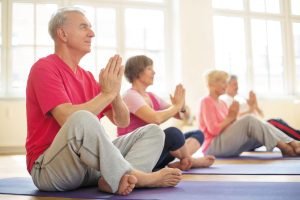
For beginners, focusing on the breath is one of the simplest and most effective meditation techniques. Sit comfortably with your spine straight, close your eyes, and bring your attention to your breath. Notice the sensation of the breath as it enters and leaves your nostrils or the rise and fall of your chest. When your mind starts to wander, gently bring your focus back to the breath. This practice helps to anchor your mind in the present moment and cultivate mindfulness.
Embracing Guided Meditations
Guided meditations can be a helpful tool for beginners. These meditations are led by an instructor who provides verbal guidance throughout the session. You can find guided meditations online, through apps, or on streaming platforms. They often focus on specific themes such as relaxation, gratitude, or stress relief. Guided meditations can provide structure and support, making it easier for beginners to develop a regular practice.
Practicing Mindfulness Meditation
Mindfulness meditation involves paying attention to your thoughts, feelings, and sensations without judgment. The goal is to observe your mental activity without getting caught up in it. To practice mindfulness meditation, sit comfortably and focus on your breath. When thoughts arise, acknowledge them, and then gently return your attention to your breath. Over time, this practice helps to cultivate a non-reactive awareness and a sense of calm amidst the chaos of daily life.
Incorporating Body Scan Techniques
Body scan meditation is a technique that involves systematically bringing attention to different parts of the body. Begin by lying down or sitting comfortably. Close your eyes and start at the top of your head, gradually moving your attention down through your body, noticing any sensations or areas of tension. This practice fosters a deeper connection with your body and can promote relaxation and stress relief.
Progressive Muscle Relaxation
Progressive muscle relaxation is another effective technique for beginners. This practice involves tensing and then relaxing different muscle groups in the body. Start by sitting or lying down in a comfortable position. Take a deep breath and hold it while tensing a muscle group, such as your shoulders. Hold for a few seconds, then exhale and release the tension. Move through the body systematically, focusing on each muscle group. This practice can help to release physical tension and promote a sense of calm.
Journaling to Enhance Mindfulness
Journaling can be a valuable complement to your meditation practice. After your meditation session, take a few minutes to write about your experience. Reflect on any thoughts or emotions that arose during the practice. Journaling helps to deepen your self-awareness and can reveal patterns in your thinking and behavior. It also provides a record of your progress, which can be encouraging as you continue your meditation journey.
Overcoming Common Challenges
As a beginner, you may encounter challenges such as restlessness, impatience, or a wandering mind. It’s important to approach these challenges with compassion and patience. Remember that meditation is a skill that takes time to develop. If you find yourself struggling, try shortening your sessions or exploring different meditation techniques until you find one that resonates with you. Meditation is not about achieving perfection but about cultivating a state of presence and awareness.
Building a Sustainable Practice
To unlock the full benefits of meditation, it’s essential to establish a sustainable practice. Start with just a few minutes a day and gradually increase the duration as you become more comfortable. Consistency is more important than duration. Even a short daily practice can have a significant impact on your mental and emotional well-being. Consider joining a meditation group or finding an accountability partner to help you stay motivated and committed.
Conclusion: Embrace the Journey
Meditation is a journey, not a destination. As you embark on this path, remember to be kind to yourself and embrace the process. Each meditation session is an opportunity to learn more about yourself and cultivate a sense of inner peace. With regular practice, you’ll find that meditation becomes a source of strength and tranquility in your life. So take a deep breath, close your eyes, and begin your journey toward inner peace today.